
What Homeowners Insurance Really Does for Theft
Most folks think their homeowners insurance policy covers everything if a thief breaks in. That’s a nice thought. The reality? It’s a bit more specific. Your policy absolutely protects you from theft, but there are limits. Big ones.
Think of it this way: your policy has a main coverage amount for your dwelling — the house itself. Then it has a separate amount, usually a percentage of that dwelling coverage, for your personal belongings. Let’s say your house is insured for $500,000. Your personal property might be covered for $250,000. Sounds like a lot, right?
But here’s where it gets interesting. Within that $250,000, there are often much smaller, specific limits for certain types of items. Jewelry, for example, might only be covered up to $1,500 or $2,500, even if you own a ring worth $10,000. Cash? Usually just a few hundred dollars. Silverware, firearms, furs, even expensive electronics sometimes have their own caps. If a thief cleans out your safe of cash and precious metals, don’t expect your standard policy to make you whole again.
And what about the damage they do getting in? A kicked-in door, a smashed window, a broken lock — that’s typically covered under the dwelling portion of your policy. It’s the cost to repair the house itself. That’s separate from the cost of replacing your stolen stuff.
The Fine Print on Your Personal Property
There are two main ways your stolen personal property can be valued: Actual Cash Value (ACV) or Replacement Cost Value (RCV). This is a big difference.
Actual Cash Value pays you what your stolen item was worth *at the time of the theft*, factoring in depreciation. That 5-year-old TV? You’ll get what a 5-year-old TV would sell for used, not what a brand new one costs today. For a lot of people, that’s a tough pill to swallow.
Replacement Cost Value, on the other hand, pays you what it costs to buy a brand new, similar item today. That’s almost always the better option. You might pay a little more in premiums for RCV coverage, but when you’re replacing everything after a break-in, you’ll be glad you did. It’s a real lifesaver.

California’s Theft Landscape – Why You Should Care
California’s a big state, with all kinds of communities. Crime rates can vary wildly from one zip code to the next. What’s happening in, say, a quiet corner of Ventura County might be very different from the property crime trends in parts of the Inland Empire or the bustling neighborhoods of the Valley.
We’ve seen headlines about organized retail theft and smash-and-grabs in major cities like Los Angeles and San Francisco. While those often target businesses, the general rise in property crime can sometimes spill over into residential areas. Thieves are getting smarter, faster, and sometimes more brazen. They look for easy targets.
Insurers pay close attention to these trends. They use data to assess risk for every single address. If your neighborhood sees an uptick in burglaries, your premiums might reflect that. It’s not personal; it’s statistics. Some areas, even within the same city, can be rated very differently. It’s why getting a quote with your exact address is so important.
Protecting Your Home (and Your Wallet) from Thieves
Nobody wants to deal with a break-in. Beyond the financial loss, there’s the feeling of invasion. It’s unsettling. Luckily, there are plenty of steps you can take to make your home less appealing to potential thieves.
First, the basics: good locks on all doors and windows. Deadbolts are a must. Don’t forget sliding glass doors — a simple dowel in the track can make a big difference. Keep your landscaping trimmed so thieves can’t hide. Make sure your home looks lived-in, even when you’re away. Lights on timers, mail held, a neighbor checking in. These small things add up.
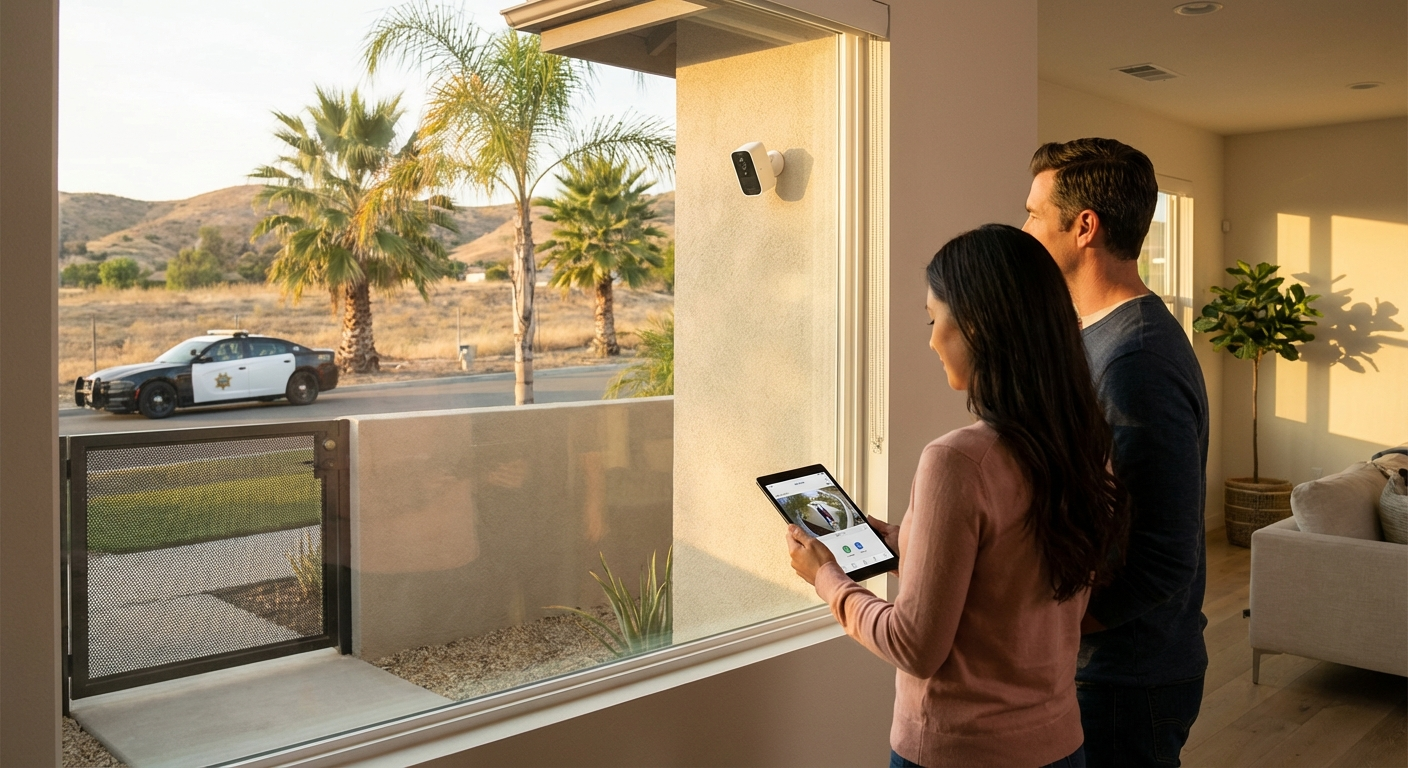
Then there’s technology. Alarm systems, for instance. A monitored alarm system — one that alerts a central station and, if necessary, the police — is generally more effective than a loud siren that just goes off and hopes someone notices. Doorbell cameras and other security cameras are also popular. They record activity and can deter criminals who don’t want to be caught on video. Some people even put up signs saying their property is under surveillance, even if it’s not. It’s a psychological deterrent.
Smart home technology can also play a role. Smart locks, smart lights, even smart sensors on windows can all add layers of protection. You can control these from your phone, making it easier to manage your home’s security from anywhere.
Do Security Upgrades Really Save You Money on Premiums?
The short answer is yes. The real answer is more complicated.
Many insurance companies — like State Farm, AAA, and Farmers — do offer discounts for certain security features. A professionally installed and monitored alarm system is the most common one. You might see a small percentage off your premium, perhaps 5-10%. Some insurers also offer discounts for deadbolts or smoke detectors, though those are more about fire safety than theft.
But here’s the thing: while discounts are nice, the real value of these security upgrades isn’t just the money you save on your premium. It’s about preventing a loss in the first place. Avoiding a break-in means you don’t have to file a claim, pay a deductible, or deal with the headache of replacing stolen items. That’s worth a lot more than a small discount. It also keeps your claims history clean, which can help keep your rates lower in the long run.
When the Worst Happens: Filing a Claim
If you do experience a theft, knowing what to do next can make a tough situation a little easier.
First, secure your property. Call the police immediately. Get a police report number. Don’t touch anything more than you have to. Then, once the police have done their thing, start documenting. Take photos or videos of any damage. Make a list of everything that was stolen. The more detail, the better.
This is where a home inventory comes in handy. If you’ve got a list of your belongings, complete with serial numbers and photos, filing a claim becomes much smoother. It proves what you owned and what its condition was. Without it, you’re guessing, and the insurance company might push back.
Then, call your insurance agent. Someone like Karl Susman at California Home Insurance Agency, CA License #OB75129, can guide you through the claims process. They’ll explain what’s covered, what your deductible is, and what to expect. They’re your advocate when you need one most.
Finding the Right Policy in California
Finding good homeowners insurance in California isn’t always as simple as it used to be. Many insurers have pulled back from the state or significantly increased their rates, especially after recent wildfire seasons. It’s why working with an independent agent is more important than ever.
An independent agent doesn’t work for just one company. They work with many different insurers, comparing policies and prices to find the best fit for your specific needs. They understand the California market, the quirks, the challenges, and which companies are still writing good policies here.
Don’t settle for the first quote you get. Talk to an expert. They can explain the nuances of theft coverage, help you understand your limits, and make sure you’re properly protected.
Ready to see what options are out there for your California home? Don’t wait until it’s too late. Get a personalized home insurance quote today.
FAQ Section
Q: Does my homeowners policy cover theft if I’m away from home, like on vacation?
A: Generally, yes. Most standard homeowners policies offer some coverage for personal property stolen while you’re away from your residence, whether it’s from a hotel room, a rental car, or even your luggage at the airport. However, these “off-premises” theft limits are often lower than what’s covered at your actual home. Always check your specific policy details.
Q: What if my car is stolen from my driveway? Is that covered by homeowners insurance?
A: No, that’s a common misunderstanding. Theft of your car is covered by your auto insurance policy, specifically under the “comprehensive” coverage part. Your homeowners policy covers personal belongings *inside* the car at the time of theft, but not the vehicle itself.
Q: Are identity theft protection services typically included in a standard homeowners policy?
A: Not usually by default. Some insurers offer identity theft coverage as an optional add-on or endorsement that you can purchase for an extra fee. This coverage often helps with expenses related to restoring your identity after it’s been stolen, like legal fees or lost wages.
Q: What if a contractor I hired steals something from my home? Is that covered?
A: This can be a tricky one. Generally, theft by someone legally allowed into your home (like a contractor or house cleaner) might be covered, but it depends on the specifics of your policy and the circumstances. Some policies have exclusions for theft committed by residents or people with regular access to the property. It’s best to report it to the police immediately and then contact your agent.
Protecting your home and your peace of mind from theft in California means understanding your policy and taking proactive steps. It’s not just about what happens after a theft, but what you do to prevent it. Your home is your biggest asset. Make sure you’ve got the right coverage and protections in place.
Need help understanding your options or getting a quote? Karl Susman and the team at California Home Insurance Agency are here to help. Call us at (877) 411-5200 or get a quote online. CA License #OB75129.
This article is for informational purposes only and does not constitute financial advice.