
Feeling the Burn? California Home Insurance and Wildfire Mitigation Discounts
For anyone owning a home in California, the past few years have felt like a punch to the gut. Maybe your premium jumped 40% between 2022 and 2024. Perhaps your insurer, after years of loyalty, just sent you a non-renewal notice. The anxiety around wildfires, the endless news reports, the smoke-filled skies—it’s enough to make you wonder if owning a piece of this beautiful state is even worth it anymore. You’re not alone in feeling this way. So many homeowners, from the hills of Ventura County to the canyons of the Inland Empire, are scratching their heads, wondering what to do.
But here’s the thing. There’s a ray of hope, a tangible step you can take that might not just protect your home, but also soften the blow of those rising insurance costs. We’re talking about wildfire mitigation, and more specifically, the discounts that can come with it.
Why Insurers Suddenly Care So Much About Your Roof
Honestly, it wasn’t always like this. For decades, home insurance was pretty straightforward. You paid your premium, and if a fire happened, you were covered. Simple. Not anymore. The sheer scale and frequency of California’s wildfires have changed everything. Think about the Camp Fire, the Tubbs Fire, the Woolsey Fire—these weren’t just isolated incidents. They were devastating, costing billions, and they made insurers rethink their entire approach to risk in our state.
When insurers like State Farm, Allstate, or Farmers look at your home now, they’re not just seeing four walls and a roof. They’re seeing your neighborhood’s vegetation, your home’s construction materials, even the type of vents in your attic. They’re asking, “How likely is this home to survive if a wildfire pushes through?” That’s a big question, and the answers directly impact whether they’ll even offer you a policy, let alone how much it’ll cost.
Which brings up something most people miss. For a long time, there wasn’t a clear, statewide standard for what counted as “mitigation.” Homeowners might clear some brush, but insurers didn’t always have a consistent way to reward that effort with a discount. That started to change thanks to California’s Insurance Commissioner, Ricardo Lara, and the Department of Insurance (CDI). He pushed for new regulations, and as of late 2024, insurers *must* consider wildfire mitigation efforts when setting rates and offering policies. This isn’t just a suggestion; it’s a rule.
What Does “Mitigation” Actually Mean for Your Home?
Okay, “mitigation” sounds like a fancy word. Really, it boils down to two main areas: making your home harder to ignite (home hardening) and creating a defensible space around it. Think of it as creating layers of protection.
Hardening Your Home: The First Line of Defense
This is about making your house itself less vulnerable to embers and flames. Most homes don’t burn down from direct flame contact during a wildfire. They burn because tiny, super-hot embers—sometimes traveling miles ahead of the main fire—land on a weak spot and ignite.
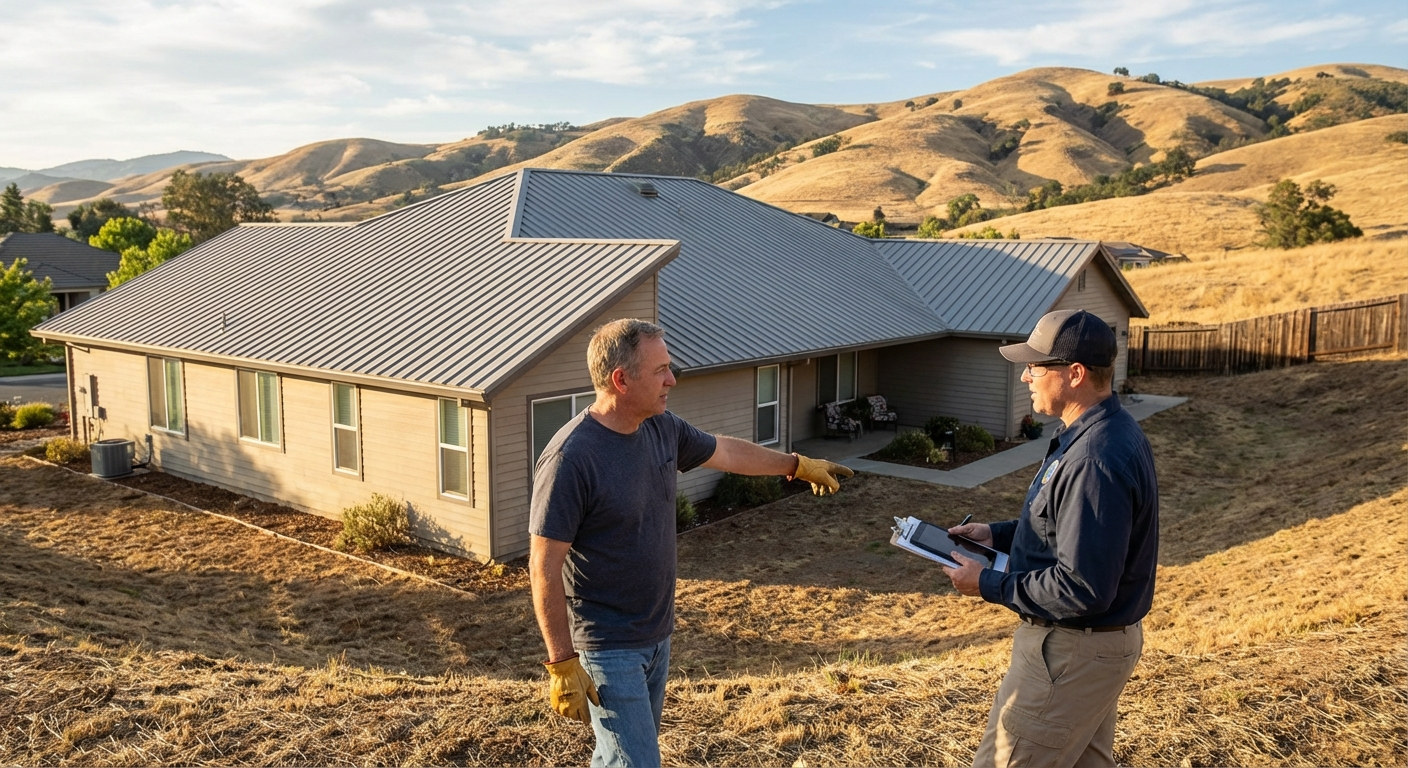
* **Your Roof:** It’s ground zero for embers. If you have an old wood shake roof, that’s a huge risk. A Class A fire-rated roof (like concrete tile, metal, or fire-resistant asphalt shingles) is a game-changer.
* **Vents:** Attic and foundation vents are often overlooked entry points for embers. Upgrading to fine mesh (1/8-inch or smaller) or fire-resistant vents can make a big difference.
* **Eaves and Soffits:** Open eaves can trap embers and ignite. Enclosing them with fire-resistant materials helps immensely.
* **Windows:** Single-pane windows can crack from heat, allowing flames in. Dual-pane, tempered-glass windows offer much better protection.
* **Siding:** Flammable siding, like vinyl or untreated wood, is a problem. Replacing it with stucco, fiber cement, or treated wood can significantly improve your home’s chances.
* **Decks and Patios:** Think about materials here. If your deck is attached to your house and made of highly flammable wood, it’s a direct path for fire. Using fire-resistant decking or even just clearing under it can help.
These improvements aren’t cheap, that’s for sure. But wait—the long-term benefits often outweigh the upfront costs, not just in peace of mind, but potentially in insurance savings.
Defensible Space: Your Property’s Safety Zones
This is all about managing the vegetation *around* your home. It’s not about clear-cutting everything. It’s about creating zones where fire has less fuel to work with. Cal Fire, the state’s fire agency, has clear guidelines for this, and insurers are now keyed into them.
* **Zone 0 (Ember-Resistant Zone): 0-5 feet from your home.** This is the most critical area. No combustible materials here. That means no plants, no mulch, no firewood, no patio furniture made of flammable materials. Keep this area absolutely lean and clean. Think gravel, concrete, or very short, irrigated plants.
* **Zone 1 (Reduced Fuel Zone): 5-30 feet from your home.** Here, you want to remove dead plants, leaves, and needles. Keep grasses mowed to 4 inches or less. Create horizontal and vertical spacing between plants. Don’t let shrubs grow directly under trees.
* **Zone 2 (Reduced Fuel Zone): 30-100 feet from your home (or to your property line).** This zone is about thinning out vegetation, removing smaller trees and shrubs, and making sure any remaining plants are healthy and well-maintained. Again, remove dead leaves and needles regularly.
Honestly, getting your defensible space in order isn’t just about insurance. It’s a matter of life and death in a wildfire. It gives firefighters a safer place to work and can slow a fire’s advance.
How Do You Actually Get These Discounts?
This isn’t like finding a coupon in the mail. You won’t just automatically get a discount because you *think* your home is hardened. You’ll need to prove it.
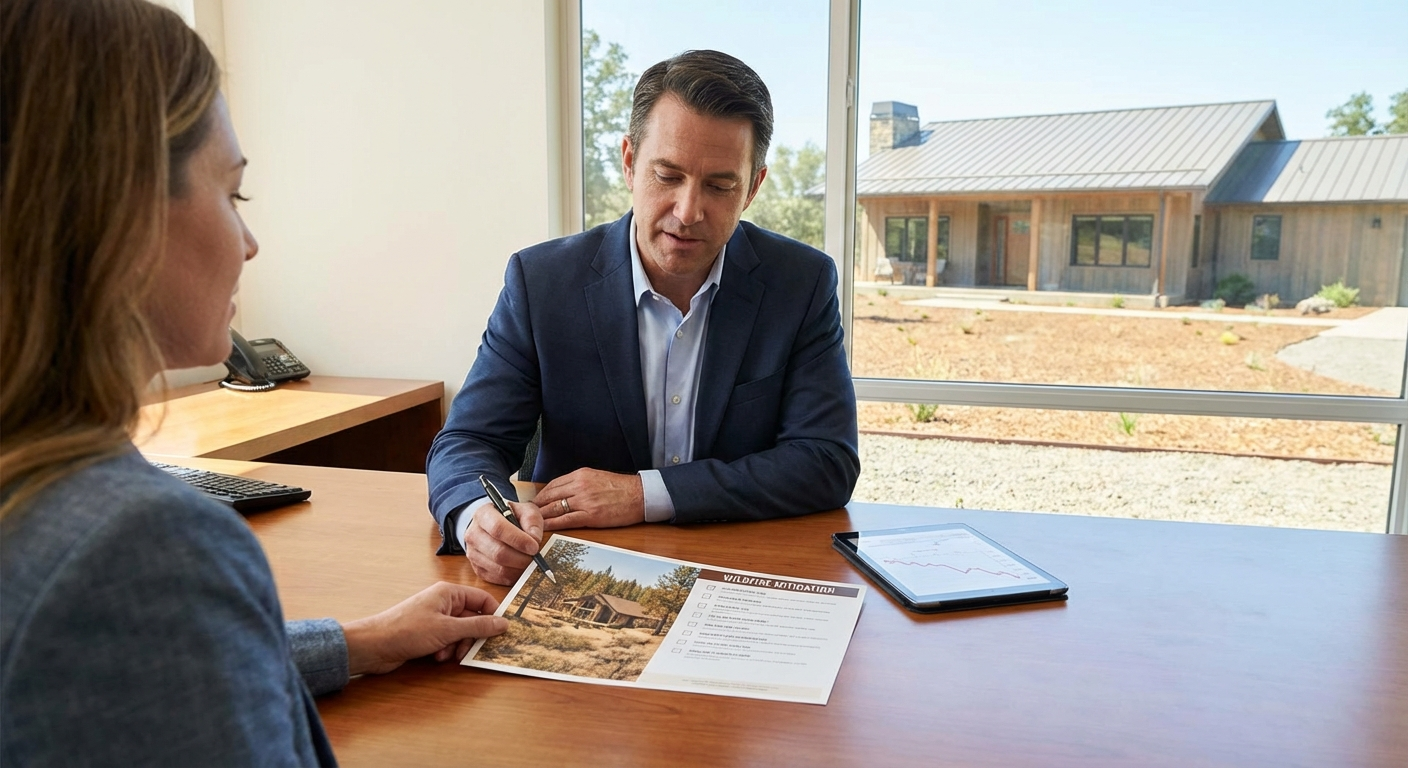
The CDI’s new regulations require insurers to accept certain verified mitigation efforts. This often means providing documentation: receipts for new roofing, photos of your defensible space, or even an inspection report from a qualified third party. Some insurers might send their own inspectors out. Others might rely on community-wide assessments, like those done by Firewise USA programs.
It’s important to understand that not every single improvement will automatically grant a massive discount. Insurers often look at a combination of factors. Did you do the roof *and* the vents? Did you clear your defensible space according to Cal Fire standards? The more you do, the stronger your case for a discount, and more importantly, the safer your home becomes.
The California FAIR Plan vs. Mitigation
If you’ve been non-renewed or declined by traditional insurers, you might be familiar with the California FAIR Plan. It’s the state’s “insurer of last resort,” designed to provide basic fire coverage when no one else will. The problem? It’s often more expensive, offers less coverage, and doesn’t include liability or theft – you usually need a separate “Difference in Conditions” policy for that.
But here’s where it gets interesting. Even if you’re currently on the FAIR Plan, taking steps to mitigate your wildfire risk can help you get *off* it. Many traditional insurers, who might have declined you before, become much more willing to write a policy if you’ve significantly hardened your home and cleared your defensible space. This means potentially better coverage, a simpler policy structure, and often, a lower overall premium. It’s a pathway back to the mainstream market.
Finding an Insurer in This Tricky Landscape
Let’s be honest: finding home insurance in California right now can feel like a scavenger hunt. State Farm and Allstate have scaled back their offerings. Many smaller carriers are being very selective. It’s a frustrating situation for homeowners who’ve done nothing wrong.
This is exactly why working with an independent insurance agent, someone like Karl Susman of California Home Insurance Agency, becomes incredibly important. Karl and his team aren’t tied to one specific company. They work with a network of insurers, some of whom are still actively writing policies in California, especially for homes that have taken mitigation steps. They know the market, they understand the new regulations, and they can help you present your home’s mitigation efforts in the best light possible to the carriers who are still willing to take on the risk.
Think of it this way: you’ve put in the hard work and money to protect your home. You deserve an agent who knows how to translate that effort into a policy that actually works for you. An independent agent can shop around, compare quotes, and help you find an insurer that recognizes and rewards your mitigation efforts with a discount. It saves you countless hours of phone calls and frustration. Karl Susman and his team at California Home Insurance Agency (CA License #OB75129) have been helping California homeowners navigate these choppy waters for years.
Ready to see if your mitigation efforts can lead to real savings?
Get a Home Insurance Quote Today!
Common Questions About Wildfire Mitigation Discounts
Here are a few things people often ask about these discounts:
Do I have to do *all* the mitigation steps to get a discount?
No, not necessarily. While doing more will certainly make your home safer and improve your chances for a better discount, many insurers offer discounts for specific, significant improvements. For example, a new Class A roof alone might qualify you for something. The key is communicating what you *have* done to your insurance agent.
How much can these discounts save me?
This is tough to put an exact number on, because it depends heavily on your specific home, its location, the insurer, and the extent of your mitigation efforts. You won’t see your premium cut in half just for clearing brush. But imagine saving 5%, 10%, or even 15% on a premium that’s already thousands of dollars. That’s real money. Plus, the biggest “saving” might be simply *getting* a policy when others are being declined.
Will my insurer automatically know I’ve done mitigation work?
Not always. You’ll likely need to inform your agent or insurer about the improvements you’ve made. Be prepared to provide documentation, photos, or even schedule an inspection. It’s your responsibility to show them the work.
What if I can’t afford all the home hardening upgrades right away?
Many homeowners are in this boat. Start with the most impactful and often more affordable steps. Clearing your defensible space (Zone 0 and 1) is absolutely critical and often costs more in time and effort than in materials. Then, prioritize things like upgrading vents or sealing eaves, which are often less expensive than a full roof replacement. Every little bit helps both your safety and your insurance prospects.
Are there state programs to help with mitigation costs?
Yes, sometimes. California often has grant programs or initiatives through Cal Fire or local fire safe councils to help communities and individuals with mitigation projects. These programs change, so it’s worth checking Cal Fire’s website or your local fire department for current opportunities.
Don’t let the fear of wildfire or the frustration of insurance costs paralyze you. Taking proactive steps can make a real difference, not just for your wallet, but for the safety of your home and family. An experienced agent can guide you through this process and help you find the best path forward.
Connect with Karl Susman and Get Your Home Insurance Quote Now!
This article is for informational purposes only and does not constitute financial advice.