California Home Insurance in 2026: The Truth About What’s Coming
You’ve probably heard the rumors. Maybe you’ve even had your policy non-renewed. Getting home insurance in California these days feels a lot like playing a high-stakes game of musical chairs. By 2026, the music’s going to sound a bit different, and you’ll want to be sure you have a seat. Many homeowners are bracing for the worst, wondering if they’ll even find coverage.
But here’s the thing. While the market *is* tough, and changes are definitely on the way, it’s not all doom and gloom. It’s more about understanding the new rules of the game. California’s Department of Insurance, led by Commissioner Ricardo Lara, is pushing through a series of reforms. They call it the “Sustainable Insurance Strategy.” For you, the homeowner, it means your policy requirements and what insurers look at are shifting dramatically.
Myth: My current policy will just roll over, or I’ll easily find a new one if it doesn’t.
Honestly, that’s a gamble you don’t want to take. The short answer is yes, your policy *might* roll over, but the real answer is more complicated. Insurers in California have been losing money — a lot of it. We’re talking billions over the last few years, especially from wildfires and other natural disasters. That’s why big names like State Farm, Allstate, and Farmers have pulled back or stopped writing new policies in places like Ventura County, the Inland Empire, and even parts of the Valley.
By 2026, two huge changes will be fully in play. First, insurers will finally be allowed to use “catastrophe models” when setting rates. For decades, thanks to Prop 103, they had to rely mostly on historical data. That’s like driving a car by looking in the rearview mirror. Now, they can look forward, assessing future wildfire risks, earthquake possibilities, and even the cost of reinsurance — which is what insurers pay to *their* insurers. That’s a massive shift.
Second, the CDI is also working on allowing insurers to factor in the actual cost of reinsurance. This is a big deal because those costs have skyrocketed. When an insurer pays more to protect themselves, you can bet that cost gets passed on. What does this mean for your specific policy? It means rates are likely to keep climbing. Your home’s specific risk profile, especially concerning wildfire, will matter more than ever.

Myth: Home insurance is impossible to get in California now.
That’s an understandable fear, given the headlines. But it’s not entirely true. It’s certainly *harder* and *more expensive* to get coverage, especially if you live in a high-risk wildfire zone. Many people have found themselves pushed to the California FAIR Plan.
The FAIR Plan is the state’s “insurer of last resort.” It’s there when you can’t get coverage from a standard insurer. But here’s the rub: it’s not a full-coverage policy. It mostly covers fire — and only fire. You’ll still need a separate “wrap-around” policy for things like liability, theft, water damage, and other common perils. Getting those wrap-around policies can be tricky, too. They’re often limited, and sometimes you have to piece together coverage from different carriers.
The good news? The regulatory changes, while leading to higher rates, are also designed to bring more insurers back into the market. The idea is that if companies can charge rates that accurately reflect their risk, they’ll be more willing to write policies here. It’s a painful process, but the hope is for more options by 2026. Still, don’t expect it to be like it was five or ten years ago. Those days are gone.
Myth: If I harden my home, my rates will automatically drop significantly.
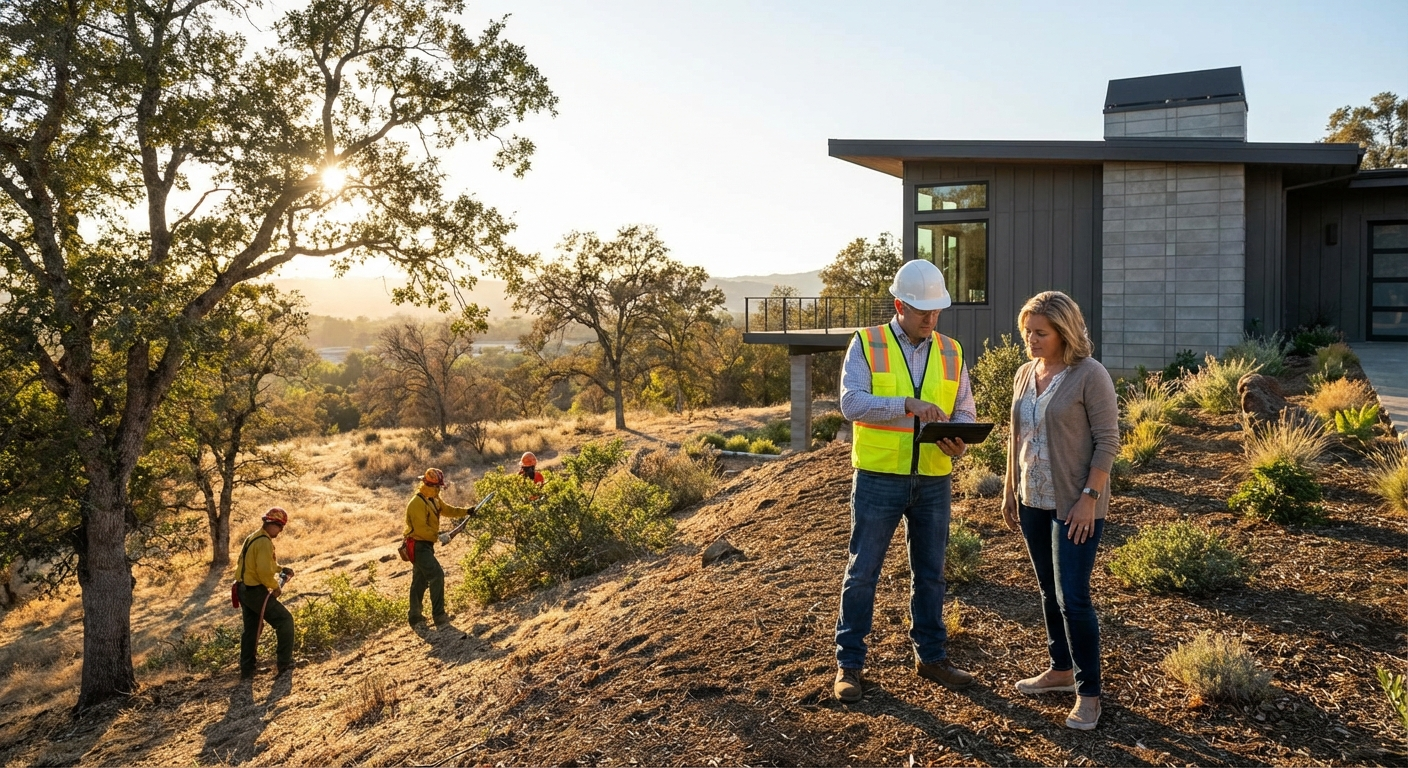
This is a common misconception, and it’s a frustrating one for homeowners doing the right thing. Home hardening is absolutely, unequivocally the smart move. If you live in an area prone to wildfire, like the foothills of the Sierra Nevada or even parts of Malibu, making your home more resilient is crucial for your safety and for reducing potential damage.
The state’s “Safer from Wildfires” framework outlines specific actions: maintaining defensible space, using ember-resistant vents, choosing fire-resistant roofing and siding materials, and upgrading to multi-pane windows. Insurers are *starting* to offer discounts for these improvements. They really are. But don’t expect a magic bullet that slashes your premium by half overnight.
Why not? Well, it takes time for these changes to be fully factored into an insurer’s risk models and rate filings. Plus, the overall risk in California is still very high. Think of it like this: if you buy a super safe car, your insurance might go down a bit, but you still pay more if you live in a high-crime area. Your home hardening efforts make your individual property safer, but they don’t erase the broader risk of a major event like the 2025 LA fires (a hypothetical, but very real concern).
Still, hardening your home is a smart investment. It improves your chances of getting coverage, and it might just save your home. Which brings up something most people miss: having an independent agent like Karl Susman at California Home Insurance Agency, CA License #OB75129, can make a huge difference here. They know which carriers offer which discounts and how to best present your home’s improvements to get the best possible rate.
Myth: My mortgage lender only cares if I have *any* insurance.
That’s a big nope. Your mortgage lender cares a lot about *what kind* of insurance you have. They’re protecting their investment, which is your home. So, they’ll require specific coverages, and they’ll want to be listed on your policy as an “additional insured” or “loss payee.”
Typically, they’ll require enough dwelling coverage to rebuild your home to its replacement cost value. They’ll also want liability coverage to protect against lawsuits if someone gets hurt on your property. If you’re in a flood zone, they’ll demand flood insurance — which is a separate policy, usually from the National Flood Insurance Program (NFIP). Earthquake insurance is almost always separate, too, and not required by lenders unless you’re in a very specific high-risk zone.
If you let your policy lapse or don’t maintain the required coverages, your lender won’t hesitate. They’ll force-place insurance on your home. Trust me, you don’t want that. Lender-placed insurance is incredibly expensive, offers minimal coverage (just enough to protect *their* interest, not yours), and gives you no say in the matter. Make sure you understand your lender’s requirements and meet them.
Myth: All home insurance policies are pretty much the same.
Oh, if only that were true! That’s like saying all cars are the same because they all have four wheels. Home insurance policies vary wildly. You’ve got your basic HO-3 policy, which covers your dwelling for “open perils” (meaning everything unless specifically excluded) and your personal property for “named perils” (only what’s listed). Then there’s the more robust HO-5, which covers both dwelling and personal property for open perils. Big difference.
Beyond the basic policy type, you’ve got a ton of options. Do you have enough coverage for your personal belongings? What about expensive jewelry or art? You might need a specific endorsement or “rider” for those. Is your deductible set at a level you can actually afford if disaster strikes? What about extended replacement cost coverage, which gives you an extra cushion if rebuilding costs spike after a widespread event like a wildfire?
Then there’s water damage. Standard policies often cover sudden and accidental water damage (like a burst pipe), but they usually *don’t* cover flood, sewer backup, or gradual leaks. You might need separate endorsements for those. This is why just grabbing the cheapest policy you can find online isn’t always the smartest move. It might leave you horribly underinsured when you need it most.
For a clearer picture of your options and to get a quote that fits your specific needs, check out what Karl Susman and his team can do for you at https://californiahomeinsuranceagency.com/quote/. They know the ins and outs of the California market.
Myth: I don’t need to shop around; my current insurer is loyal to me.
That’s a nice thought, but loyalty doesn’t pay in this market. The insurance industry in California is in constant flux. Rates are changing, companies are adjusting their risk appetites, and some are even leaving the state. Sticking with the same insurer year after year without checking other options is almost certainly costing you money.
Even if your current insurer hasn’t non-renewed you, they might be raising your rates significantly. Other carriers, perhaps smaller ones or those with different risk models, might offer you better terms. It takes a bit of legwork, but shopping around is more important now than ever.
An independent agent works for *you*, not for a single insurance company. They can compare policies and rates from multiple carriers, helping you find the best value and coverage for your unique situation. This is precisely the kind of service Karl Susman at California Home Insurance Agency, CA License #OB75129, provides. He can help you navigate these choppy waters.
For a personalized assessment of your home insurance needs and to explore current options, click here: https://californiahomeinsuranceagency.com/quote/.
What to Expect by 2026
Expect more accurate, but likely higher, premiums. Expect a continued emphasis on home hardening and defensible space. Expect more options to become available as insurers return to the market, but don’t expect a return to cheap, easy coverage. The landscape is changing for good. Your best bet is to stay informed, make your home as safe as possible, and work with an experienced independent agent who understands the California market inside and out.
Frequently Asked Questions About California Home Insurance
H3. Will my home insurance rates definitely go up in 2026?
It’s highly probable. The new regulatory changes allowing insurers to use forward-looking catastrophe models and account for reinsurance costs will likely lead to rate increases across the board. Some areas, particularly those with higher wildfire risk, will see more significant jumps.
H3. What happens if I can’t find any private insurance by 2026?
If you’ve exhausted all options with private insurers, you can turn to the California FAIR Plan. Remember, though, the FAIR Plan primarily covers fire damage. You’ll need to secure a separate “difference in conditions” or “wrap-around” policy to cover other perils like liability, theft, and water damage.
H3. Is home hardening truly worth the investment if my rates don’t drop much?
Absolutely. While premium reductions might not be dramatic, home hardening significantly reduces your risk of damage or total loss in a wildfire. It can also make you a more attractive customer to insurers, potentially helping you avoid non-renewal or secure coverage where others can’t. Plus, it protects your most valuable asset.
H3. Do I need flood or earthquake insurance?
These are typically separate policies from standard home insurance. Your mortgage lender might require flood insurance if you’re in a designated flood zone. Earthquake insurance is almost always optional but highly recommended in California due to our seismic activity. It’s a personal risk assessment.
H3. How often should I review my home insurance policy?
You should review your policy at least once a year, especially before renewal. This is even more important in California right now. Check your coverage limits, assess any changes to your home or belongings, and discuss any questions or concerns with your agent.
This article is for informational purposes only and does not constitute financial advice.