
The Shaking Truth About California Earthquake Insurance
For most California homeowners, the idea of “the Big One” isn’t some far-off Hollywood plot. It’s a low hum beneath our feet, a constant worry for anyone living near the San Andreas or Hayward Faults. You probably have standard home insurance, right? That policy protects your house from fire, theft, and maybe even a rogue tree falling on the roof. But here’s where it gets interesting: most standard homeowners’ policies don’t cover damage from earthquakes. Not a bit.
Think about that for a second. You live in a state practically famous for its seismic activity — from the Northridge quake in ’94 that left billions in damage across the Valley and beyond, to the Loma Prieta jolt that shook the Bay Area in ’89. Yet, your primary insurance policy likely leaves you completely exposed to the financial fallout of such an event. That’s a massive gap in coverage, especially if you own a home anywhere from Ventura County down to the Inland Empire.
What Exactly Is an Earthquake Endorsement?
Simply put, an earthquake endorsement is an add-on. It’s a separate piece of coverage you buy to specifically protect your home and belongings from damage caused by an earthquake. It doesn’t replace your regular homeowners’ policy; it complements it. Your standard policy handles the fire that might break out *after* a quake, but the endorsement handles the structural damage, the cracked foundation, the shifted walls, the broken pipes. Big difference.
Most folks get their earthquake coverage through the California Earthquake Authority, or CEA. It’s a publicly managed, privately funded organization created after Northridge when many private insurers either stopped offering quake coverage or pulled out of the state entirely. The CEA isn’t your only option, but it’s the most common by far. Some private insurers still offer their own earthquake policies, often through an endorsement on your regular home policy. However, those are becoming harder to find, especially with the general tightening of the California insurance market we’ve seen recently, including changes to the FAIR Plan.

Why Do So Few Californians Have It?
Honestly, it’s a headache. Only about 15% of California homeowners actually carry earthquake insurance. That number feels shockingly low, doesn’t it? Especially when you consider the risk. So, why the hesitation?
The main reasons usually boil down to two things: cost and deductibles. Earthquake insurance isn’t cheap. It’s an additional premium on top of your already rising home insurance costs — premiums that have jumped significantly in many areas between 2022 and 2024. And then there are the deductibles. Unlike your standard home insurance where a deductible might be $1,000 or $2,500, earthquake deductibles are often a percentage of your home’s dwelling coverage. We’re talking 5%, 10%, even 15% or 20%.
Imagine your home is insured for $600,000. A 15% deductible means you’d pay the first $90,000 out of pocket before your coverage kicks in. That’s a huge sum for most families. For many, it feels like an insurmountable hurdle, making the coverage seem almost useless unless the damage is catastrophic.
What Does a CEA Policy Cover?
A typical CEA policy, whether an endorsement or a separate policy, usually breaks down coverage into a few key areas:
* **Dwelling:** This is the big one. It covers the structural damage to your house itself—the foundation, walls, roof, etc. This is where those high deductibles usually apply.
* **Personal Property:** It covers your stuff inside the house—furniture, electronics, clothing, and so on. This usually has a separate, lower deductible, or sometimes even a zero deductible option if you choose.
* **Loss of Use (Additional Living Expenses):** If your home is uninhabitable after a quake, this coverage helps pay for temporary housing, food, and other necessary expenses while your home is being repaired. Think hotel stays, restaurant meals, laundry services. This is a lifesaver for many.
* **Building Code Upgrades:** Sometimes, when repairing a damaged home, local building codes require you to upgrade certain parts of the structure to current standards. This coverage helps pay for those extra costs.
* **Emergency Repairs:** Immediately after a quake, you might need quick repairs to prevent further damage, like tarping a broken roof. Some policies offer a small amount of immediate coverage for this.
Your exact coverage limits and deductibles will vary wildly based on your specific policy and the choices you make. You can often customize things like personal property and loss of use coverage to fit your needs, sometimes even opting for lower deductibles on those specific items.
Factors That Drive the Cost of Earthquake Endorsements
Several things push your premium up or down.
First, your **home’s location**. Naturally, if you’re closer to a known fault line, your premiums will be higher. Folks in areas like Hollywood or certain parts of the Bay Area where seismic activity is more common will pay more than someone living further from major faults.
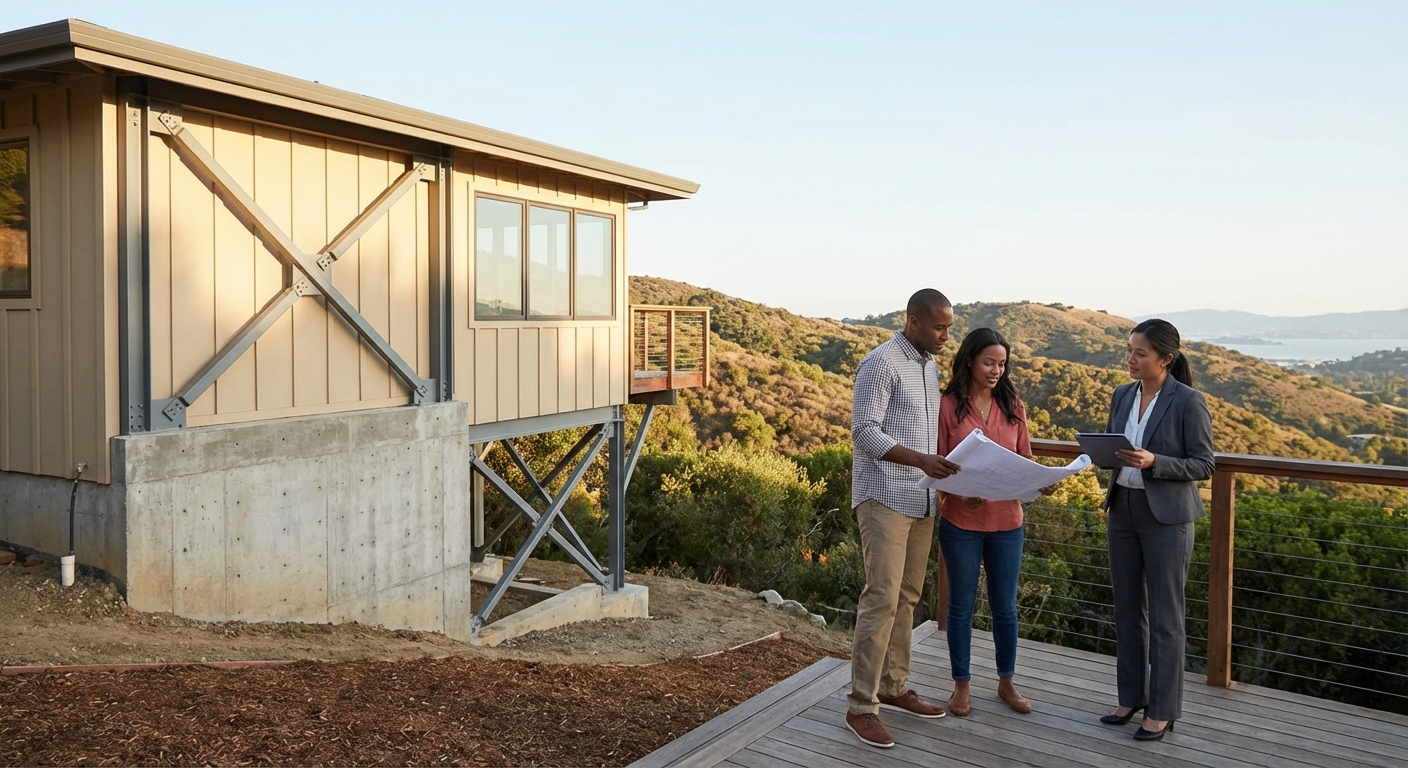
Second, the **age and construction of your home**. Older homes, especially those built before modern seismic codes, tend to be more vulnerable. Think unreinforced masonry or homes not properly bolted to their foundations. Wood-frame homes generally fare better than brick or stucco. If your home has been seismically retrofitted — things like foundation bolting or cripple wall bracing — you might qualify for discounts. The CEA even offers premium discounts for certain retrofits.
Third, your **chosen deductible**. A higher deductible means you pay more out of pocket if a quake hits, but your annual premium will be lower. A lower deductible means a higher annual premium. It’s a balancing act.
Which brings up something most people miss. The insurance market in California is constantly shifting. With recent challenges, including insurers pulling back from high-risk areas and the ongoing discussions around Prop 103, getting any kind of insurance, let alone specialized earthquake coverage, can feel like a moving target. It’s why having an expert on your side is so valuable.
Is It Worth the Investment?
This is the million-dollar question, isn’t it? The short answer is yes. The real answer is more complicated.
On one hand, California is earthquake country. We know another significant quake is coming; it’s just a matter of when and where. Could you afford to rebuild your home or pay for major structural repairs if your house was severely damaged? For most of us, the answer is a resounding no. Even with a high deductible, some coverage is better than none. It means you’re only responsible for a portion of the damage, not the entire rebuild cost. It provides some peace of mind.
On the other hand, the cost can feel prohibitive. Paying thousands of dollars a year for coverage you hope you never use, with a deductible so high it feels out of reach, can be a tough pill to swallow. Many homeowners choose to self-insure for smaller quakes, hoping their home simply shakes a bit and nothing major breaks. They view the insurance as protection against a truly catastrophic event.
Ultimately, the decision comes down to your personal risk tolerance and financial situation. Could you absorb a $50,000 or $100,000 repair bill? If not, then an earthquake endorsement, even with its high deductible, might be a necessity. It’s about protecting your biggest asset.
If you’re wondering what your options are, or how much an earthquake endorsement might cost for your particular home and location, you don’t have to figure it out alone. Karl Susman and the team at California Home Insurance Agency specialize in helping California homeowners understand these complex policies. You can chat with an expert who knows the ins and outs of the market. You’ll get clear answers, not confusing jargon.
Ready to explore your options and get a clearer picture of what earthquake coverage means for your home? Visit our website and get a quote today: https://californiahomeinsuranceagency.com/get-a-quote/
Frequently Asked Questions About Earthquake Endorsements
Q: Does my standard homeowners’ insurance policy cover earthquake damage?
No, almost all standard homeowners’ policies specifically exclude damage caused by earthquakes. You need a separate earthquake endorsement or a standalone earthquake policy for that protection.
Q: What is the California Earthquake Authority (CEA)?
The CEA is a publicly managed, privately funded organization that provides most of the residential earthquake insurance in California. It was created by the state legislature after many private insurers stopped offering earthquake coverage in the 1990s. They offer various policy options and deductibles.
Q: How high are earthquake insurance deductibles?
Earthquake deductibles are typically much higher than standard home insurance deductibles. They’re usually a percentage of your home’s dwelling coverage, often ranging from 5% to 25%. For example, on a $500,000 home, a 15% deductible would be $75,000.
Q: Can I get a discount on my earthquake insurance?
Possibly! The CEA and some private insurers offer discounts for homes that have been seismically retrofitted. This might include bolting your house to its foundation or bracing cripple walls. Check with an agent like Karl Susman at California Home Insurance Agency to see if your home qualifies.
Q: What if I can’t afford a high deductible?
This is a common concern. While deductibles are high, remember that even with a significant deductible, the insurance still protects you from the total loss of your home’s value. Some policies allow you to choose lower deductibles for personal property or additional living expenses, making those aspects more accessible. It’s about weighing your ability to cover a portion versus having to rebuild entirely on your own.
Thinking about your home, your family, and the ground beneath you? It’s a serious consideration for any California homeowner. For personalized advice and to explore your earthquake insurance options with a trusted expert, contact Karl Susman at California Home Insurance Agency, CA License #OB75129, at (877) 411-5200, or get a quote online: https://californiahomeinsuranceagency.com/get-a-quote/
This article is for informational purposes only and does not constitute financial advice.