
The Unique Puzzle of Insuring a Historic California Home
Owning a piece of California history is special. Maybe it’s a grand Victorian in Eureka, a charming Craftsman in Pasadena, or a Spanish Colonial Revival in San Clemente. These aren’t just houses; they’re stories, built with craftsmanship and materials you rarely see today. But here’s the thing: insuring these beautiful old homes in California has become a genuine head-scratcher.
For most California homeowners, finding decent insurance is tough enough right now. Premiums jumped 40% between 2022 and 2024 for many, and some big names like State Farm and Allstate have pulled back from writing new policies. But if your home boasts original redwood siding, lath and plaster walls, or intricate leaded glass, you’re dealing with a whole different ballgame.
Why Old Homes Are a Different Breed for Insurers
It boils down to risk and rebuild costs. Insurers look at a property and calculate how much it would cost to repair or completely rebuild it after a major disaster. For a modern tract home, that’s pretty straightforward. They know the materials, the labor, the timelines.
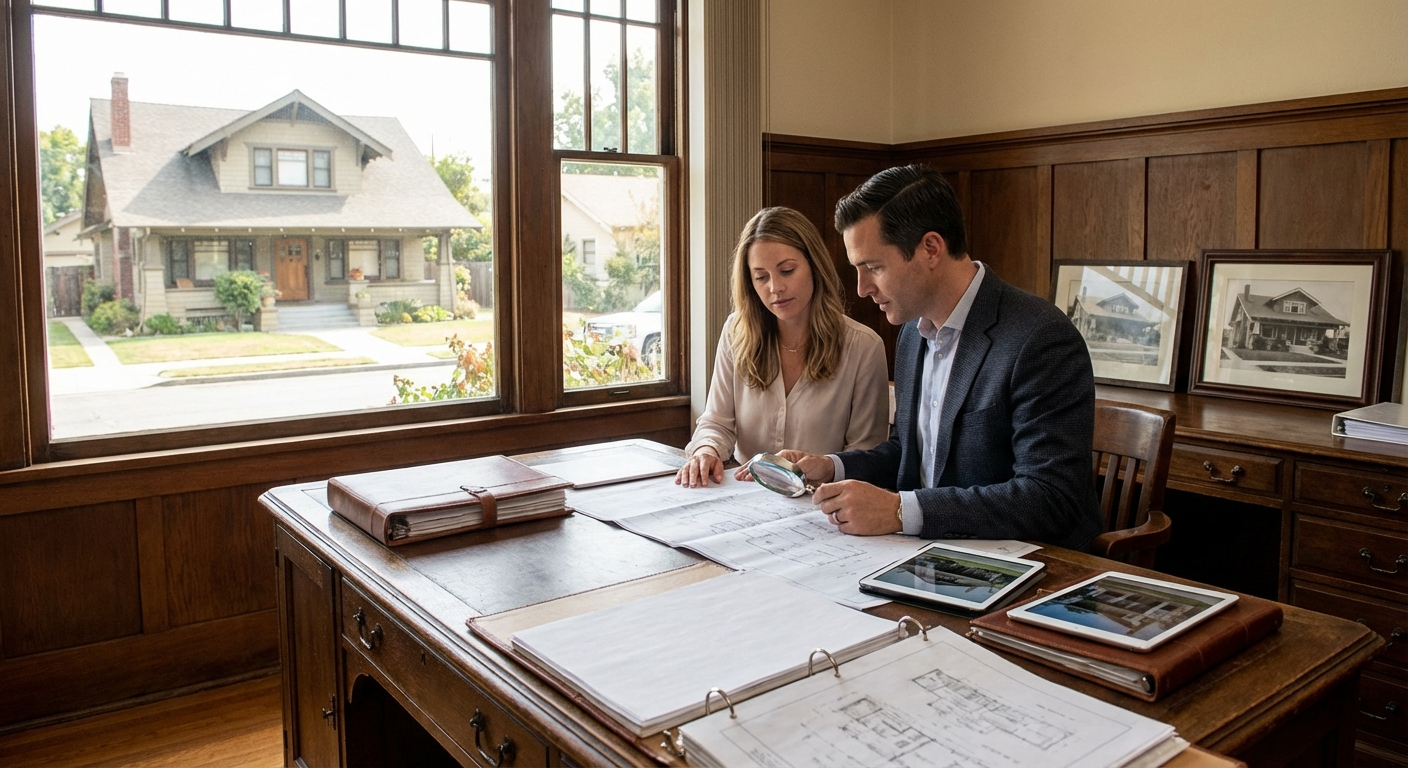
Construction Materials and Methods
Think about it: your 1920s bungalow wasn’t built with standard drywall and engineered lumber. It might have true dimensional lumber, plaster walls, or original hardwood floors that are impossible to source today. Finding skilled craftspeople who know how to work with these historic materials — like matching specific tile patterns or repairing intricate millwork — is expensive. It takes time, too. A standard contractor can’t just pop in and fix a lath and plaster ceiling; it requires a specialist. That pushes up the “replacement cost” significantly.
Outdated Systems Can Be a Red Flag
Many older homes come with systems that were cutting-edge for their time but are now considered potential hazards. Knob and tube wiring, for example, is common in homes built before the 1940s. While not inherently dangerous if properly maintained, insurers often view it as a higher fire risk. Old plumbing, especially galvanized steel or cast iron, can lead to leaks and water damage – a common claim. Sometimes, updating these systems is a condition for getting coverage at all.
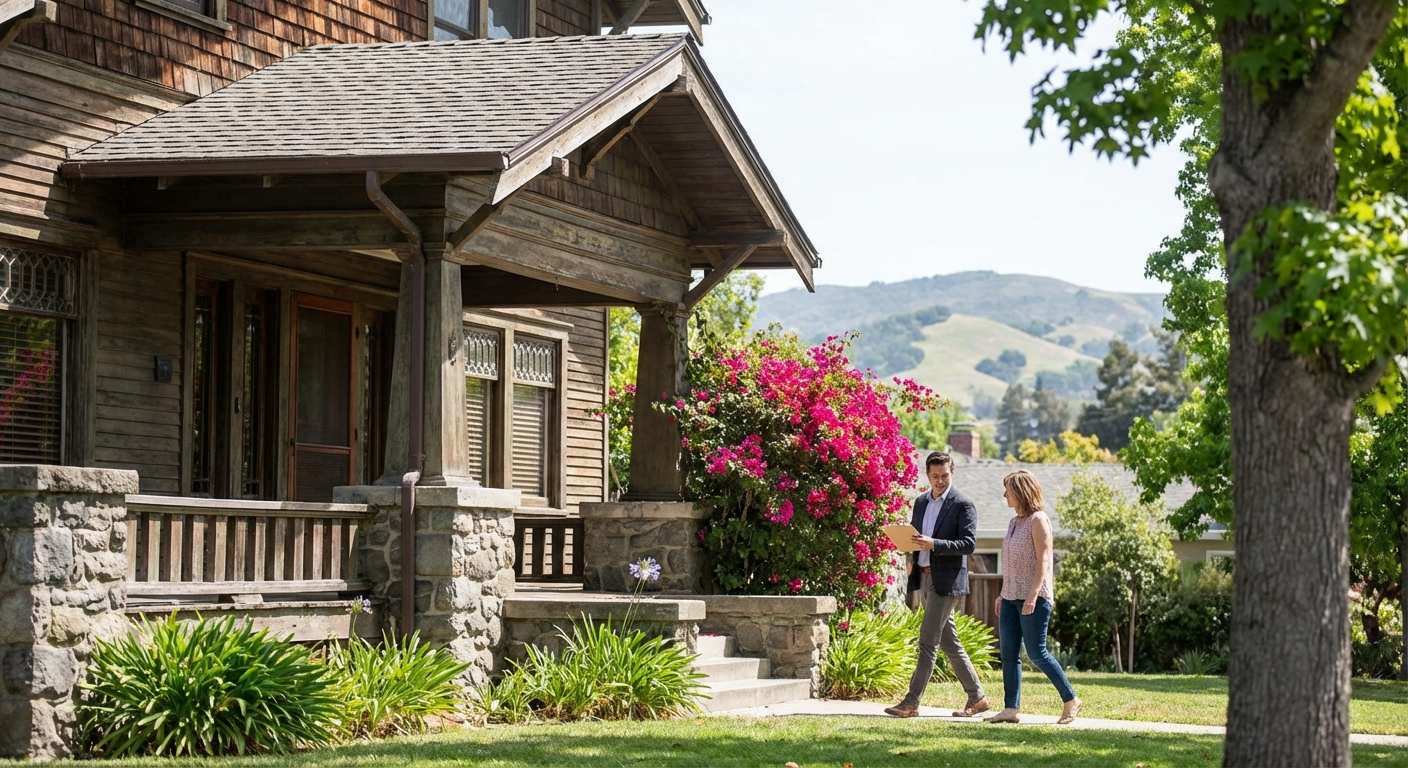
California’s Wildfire Reality
This is probably the biggest piece of the puzzle. California’s wildfire problem isn’t going away. Areas like the hills of Ventura County, Malibu, or the canyons of the Inland Empire have seen devastating fires. If your historic home is nestled in a high-risk zone, even if it’s been there for a century, insurers are increasingly reluctant to cover it. They’re looking at the brush clearance, the roofing material, the defensible space. An old wooden shake roof on a beautiful Craftsman in a fire-prone area? That’s a tough sell for many carriers these days.
What Kind of Coverage Do Historic Homes Need?
Standard homeowners insurance policies usually cover dwelling, personal property, liability, and loss of use. For historic homes, you need to dig a little deeper into two specific types of coverage.
Extended Replacement Cost (ERC)
This is non-negotiable for an older home. ERC adds an extra layer of protection beyond your dwelling coverage limit, usually 20-50% more. So, if your home is insured for $1 million, ERC could give you up to an extra $500,000 for rebuilding. Why is this so important? Because the actual cost to rebuild your unique, period-specific home with original materials and specialized labor often far exceeds a standard appraisal or even what a modern home of the same square footage would cost. Without ERC, you could be left significantly underinsured after a total loss.
Ordinance or Law Coverage
Here’s where it gets interesting. When you rebuild a historic home, you might face stricter building codes than when it was originally constructed. Local ordinances could require you to update electrical, plumbing, or structural elements to current standards – even if they weren’t damaged in the original event. This coverage helps pay for those upgrades. Imagine your beautiful 1910 home burns down. When you rebuild, the city might demand a modern foundation or a completely new wiring system, even if the old one was fine. Ordinance or law coverage can be a lifesaver for these unexpected, mandatory costs.
Navigating California’s Shaky Insurance Market
It’s no secret the California insurance market is in flux. State Farm, AAA, Farmers – many big names have either stopped writing new policies or are tightening their belts, especially for homes in wildfire-prone areas. This affects everyone, but it hits historic homeowners particularly hard because their properties already present unique challenges.
But wait — that’s not the whole story. The “insurer of last resort” in California is the FAIR Plan. If you can’t get coverage from a traditional carrier, the FAIR Plan will provide basic fire coverage. It’s not a full homeowners policy; it won’t cover things like liability or water damage. Often, you’ll need to purchase a “Difference In Conditions” (DIC) policy from a separate carrier to fill in those gaps. It’s a patchwork solution, and it’s usually more expensive than a standard policy, but for many, it’s the only option.
Finding the Right Fit: Your Strategy
You can’t just call up any insurance company and expect them to understand the nuances of your 19th-century Queen Anne. You need a specific approach.
Know Your Home Inside and Out
Document everything. Take detailed photos of unique features, materials, and craftsmanship. Get a professional appraisal that highlights the historic value and the specific construction methods. If you’ve updated systems like electrical or plumbing, keep records of those improvements. This information is gold when you’re talking to an insurer.
Work with an Independent Agent
This is probably your most important step. Independent insurance agents don’t work for one company; they work with many. They have access to a broader range of carriers, including those specializing in unique or high-value properties, and even some “non-admitted” carriers who operate outside the standard California regulatory framework (though these often come with different protections and risks).
Someone like Karl Susman at California Home Insurance Agency, CA License #OB75129, has seen it all. He understands the California market, the challenges historic homes face, and which carriers are still writing policies for them. He can help you put together a package that truly protects your investment, often combining policies from different providers if needed.
Don’t Settle for “Good Enough”
It’s easy to get frustrated and just take whatever coverage you can find. But for a historic home, “good enough” might leave you devastated after a loss. Imagine losing your cherished home and then realizing your policy won’t cover the true cost to restore its unique character. That’s a nightmare you want to avoid.
The real answer is more complicated than just finding *any* policy. It’s about finding the *right* policy. It means being proactive, understanding your home’s value beyond its market price, and partnering with an expert who can navigate the complex California insurance market on your behalf.
Ready to explore your options for insuring your historic California home? Don’t leave your unique property unprotected. Get a personalized quote today: https://californiahomeinsuranceagency.com/quote/
Frequently Asked Questions About Historic Home Insurance in California
Q: Will I pay more for historic home insurance?
Honestly, yes, you probably will. The specialized materials, skilled labor, and often higher risk profiles associated with older homes typically mean higher premiums. But the extra cost is usually worth the peace of mind knowing your unique property is properly protected.
Q: Do I need an appraisal specifically for insurance purposes?
It’s a really good idea. A standard market appraisal tells you what your home might sell for, but an insurance appraisal focuses on the cost to rebuild it. This can be very different, especially for historic properties with unique construction.
Q: What if my home is on a historic register? Does that affect insurance?
Sometimes. Being on a historic register can sometimes mean even stricter rules for how you can repair or rebuild, which can drive up costs. Make sure your insurer knows if your home has this designation, so your policy can account for it.
Q: What can I do to make my historic home more insurable?
Upgrading outdated systems like electrical and plumbing is a big one. Improving defensible space around your home if you’re in a wildfire zone helps a lot. And keeping excellent records of all maintenance and improvements shows insurers you’re a responsible homeowner.
Q: My current insurer is pulling out of California. What should I do?
Don’t panic, but don’t wait until the last minute. Contact an independent agent like Karl Susman at California Home Insurance Agency, CA License #OB75129, as soon as possible. They can help you explore options from other carriers or guide you through the FAIR Plan process if necessary.
Protecting your historic California home is about more than just a policy; it’s about preserving a legacy. Make sure you’re getting the right advice and the right coverage.
Think your historic home needs a fresh look for its insurance? Get a personalized quote and see what options are available: https://californiahomeinsuranceagency.com/quote/
This article is for informational purposes only and does not constitute financial advice.